Blind Test: Nikon Z 24 70Mm F 2 8 S Ii vs Dji Osmo Action 6 - Which is Actually Better?
Introduction
Comparing a high-end standard zoom lens to a rugged action camera may seem like an apples-to-oranges exercise, but modern creators often face exactly this choice when building a kit for travel, event work, or hybrid photo/video projects. This blind test pits two very different tools — the Nikon Z 24–70mm f/2.8 S II, a professional-grade standard zoom for mirrorless systems, against the DJI Osmo Action 6, a compact action camera designed for hands-on adventure and fast-moving video capture — to answer a practical question: which device is actually better for common real-world buyers?
The goal is not to crowbar one category into the other, but to judge each product against the tasks buyers typically care about: image quality, low-light performance, stabilization, ergonomics, durability, workflow, and overall value for intended use cases. The blind test format emphasizes outcomes and user experience rather than brand bias.
Detailed Product Analysis
Nikon Z 24–70mm f/2.8 S II — What it brings to the table
The Nikon Z 24–70mm f/2.8 S II is positioned as a professional standard zoom for full-frame mirrorless shooters. It aims to be a go-to lens for wedding photographers, event shooters, travel creators, and hybrid shooters who need a single lens that performs equally well for stills and video.
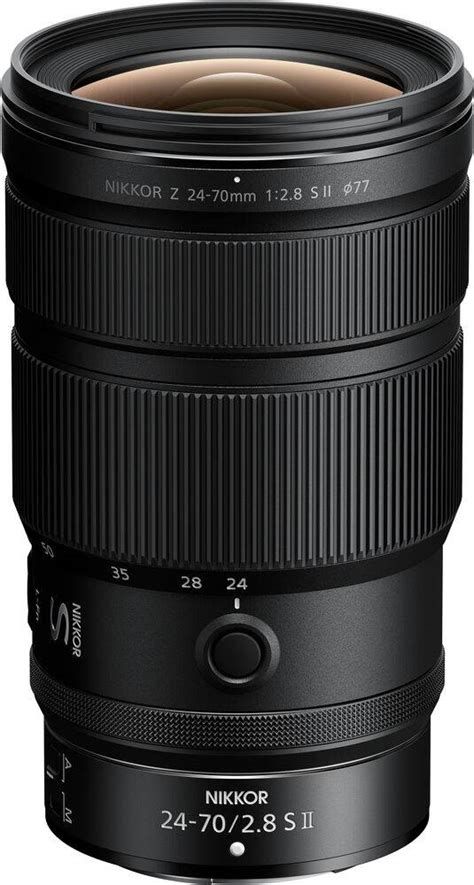
Build and handling are central to the lens's appeal. A premium metal-and-polymer construction, weather sealing, and a smooth, damped zoom ring create confidence in field use. The constant f/2.8 aperture across the zoom range provides consistent exposure control and shallow depth-of-field when needed, and the optical formula is tuned for high resolution, minimal aberrations, and pleasing out-of-focus rendition.
In practical terms, this lens excels when image quality matters: high-resolution crops retain detail, micro-contrast is strong in the center, and chromatic aberration is typically controlled in common shooting scenarios. Autofocus performance is tuned for contemporary mirrorless bodies — fast, accurate, and reliable for stills and run-and-gun video when paired with a capable camera body. For creators who prioritize control over framing, selective focus, and professional-level rendering, the 24–70mm f/2.8 is a foundational tool.
Where the lens shows its limitations relative to an action camera is in portability, stabilization, and ready-to-wear durability. It is heavier and bulkier than a pocketable action cam, and it requires a camera body to function, which increases the total system weight and complexity. However, those compromises are part of the trade-off for image quality and creative control.
DJI Osmo Action 6 — What it brings to the table
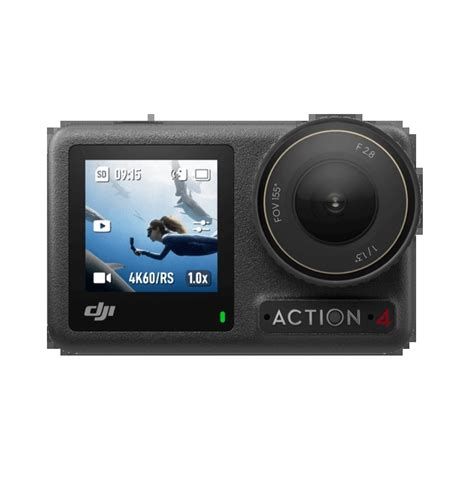
The DJI Osmo Action 6 is an action-focused camera built for adventure, hands-free shooting, and fast-moving scenarios. Its small form factor, integrated stabilization, and simple mounting ecosystem make it ideal for cycling, surfing, skiing, vlogging, and any use when size and robustness matter more than interchangeable-lens flexibility.
Stabilization is where action cameras generally shine: advanced electronic image stabilization algorithms (often combined with horizon leveling) smooth out handheld or mounted footage and reduce the need for gimbals in many situations. The Osmo Action 6 also prioritizes usability: quick access to recording, reliable autofocus or fixed-focus modes optimized for wide-angle capture, and durable housing that tolerates knocks, splashes, and the occasional drop.
Video features are central to its appeal. High-frame-rate modes for slow motion, wide-angle fields of view for immersive action, and simplified color profiles for quick editing are all geared toward creators who want usable footage straight out of camera or with minimal grading. Audio capture is serviceable for ambient sound or voiceovers when paired with external mics via adapters; onboard microphones are convenient, though not a substitute for dedicated audio capture in professional environments.
Limitations are equally clear. The smaller sensor imposes compromises for shallow depth of field, dynamic range, and low-light performance compared with full-frame systems. For photographers who need large prints, nuanced tonal gradation, or selective focus control, an action camera cannot substitute for a lens + camera body combination. The Osmo Action 6 is designed to excel at mobility and robustness rather than ultimate image fidelity.
Find top-rated Cameras & Photography products at great prices.
View Offers →Pros & Cons
Nikon Z 24–70mm f/2.8 S II
- Pros:
- Outstanding overall image quality and resolution for stills and video.
- Constant f/2.8 aperture for consistent exposure and shallow depth-of-field control.
- Robust build quality and weather sealing for professional use.
- Versatile focal range suitable for portraits, events, landscapes, and run-and-gun video.
- Fast, reliable autofocus when paired with modern mirrorless bodies.
- Cons:
- Higher system weight and bulk once paired with a camera body.
- Considerably more expensive than action-camera options for video.
- Requires lens-care and accessories (filters, hoods, storage) that add to cost and complexity.
- No built-in stabilization in the lens itself beyond optical corrections — depends on camera IBIS or external gimbals for smooth video.
DJI Osmo Action 6
- Pros:
- Highly portable and rugged—ready for adventure without extra housings in many scenarios.
- Excellent electronic stabilization tailored to action footage.
- Quick setup and simple operation for casual shooters and vloggers.
- Wide-angle capture provides immersive perspectives for sports and on-the-move video.
- Affordable and accessible compared to professional interchangeable-lens systems.
- Cons:
- Smaller sensor limits dynamic range and low-light performance.
- Lack of optical zoom or shallow depth-of-field control for artistic framing.
- Audio quality from onboard mics is limited; external mics require adapters.
- Limited stills capability for high-resolution or large-print photography.
Head-to-Head Comparison
| Category | Nikon Z 24–70mm f/2.8 S II | DJI Osmo Action 6 |
|---|---|---|
| Primary use | Professional photography, hybrid photo/video work, events, studio | Action sports, adventure video, hands-free vlogging |
| Image quality potential | Very high for stills and controlled video; benefits from full-frame sensor | Good for action video; limited by smaller sensor for stills and low light |
| Low-light performance | Strong with f/2.8 and pairing with high-ISO capable bodies | Limited; acceptable with good lighting or stabilization for longer exposures |
| Stabilization | Depends on camera body IBIS or external gimbal | Integrated electronic stabilization optimized for movement |
| Portability | Moderate to heavy once camera body included | Extremely portable; pocketable and mountable |
| Durability | Robust and weather-sealed but sensitive to impact and requires care | Designed to withstand impact, water, and rough conditions |
| Creative control | High — manual focus, aperture control, lens selection options | Limited — wide-angle fixed framing and simplified settings |
| Workflow | Full RAW stills and high-quality video workflows; larger files, more color grading | Fast turnaround; video files optimized for quick editing and sharing |
| Value for money | Premium investment for professionals and serious enthusiasts | High value for mobility-focused creators who prioritize action capture |
Real-World Use Cases
Understanding which tool is "better" depends heavily on what the buyer intends to do. The following scenarios illustrate realistic choices.
Wedding and Event Photographers
For wedding photographers who also capture ceremony video and reception highlights, the Nikon 24–70mm f/2.8 S II is an industry-standard workhorse. Its focal range covers wide group shots to intimate portraits, f/2.8 allows for subject isolation, and the optical quality supports large prints and client deliverables. An action camera can be a secondary angle for creative ceremony inserts or drone-like POVs, but it cannot replace the lens's stills fidelity.
Travel and Documentary Creators
Travel creators must balance weight, flexibility, and storytelling needs. A hybrid shooter who prioritizes stills will favor the Nikon lens, possibly carrying one or two primes for variety. Creators prioritizing compactness and capturing immersive adventure moments might prefer the Osmo Action 6 for its size and durability. Many creators find a combination works best: a mirrorless body with the 24–70mm for structured scenes and an action camera for movement and difficult environments.
Action Sports and POV Video
For mountain bikers, surfers, skiers, and motorcyclists, the Osmo Action 6 is purpose-built. Its mountability, stabilization, and wide FOV produce footage that is engaging and ready to share without complicated rigs. The Nikon lens offers none of these conveniences and would be impractical for sustained action capture unless used by a second shooter or in controlled segments.
Social Media and Vlogging
Vloggers who favor shallow depth of field, controlled framing, and high-resolution thumbnails may lean toward mirrorless setups with the 24–70mm. Conversely, creators who often film while moving, need durable gear, or want fast workflows will get more mileage from the action camera. Again, many creators use both: the mirrored setup for talking-head segments and the action camera for b-roll and dynamic inserts.
Buying Guide — How to Choose
When deciding between the Nikon Z 24–70mm f/2.8 S II and the DJI Osmo Action 6, buyers should consider several practical factors beyond raw specs.
1. Define primary use
If the main objective is high-quality stills, client work, or cinematic shallow-depth imagery, prioritize the Nikon lens. If durability, mounts, and stabilized POV video are the primary needs, prioritize the Osmo Action 6.
2. Consider the ecosystem
Buying a lens implies ownership of a compatible camera body and accessories (filters, stands, cases). The Osmo Action 6 is more self-contained but may require mounts, batteries, and optional mic adapters. Evaluate existing gear: if a Nikon Z body is already owned, the 24–70mm is a natural extension; if a compact action camera is missing from the kit, the Osmo Action 6 fills a different gap.
3. Budget and long-term value
Professional lenses are long-term investments that retain value and can serve across many projects. Action cameras tend to have quicker product cycles but are significantly less expensive and easier to replace. Consider how the purchase fits into long-term workflows and whether the investment will pay off in client rates or creative output.
Shop the latest Cameras & Photography picks on Amazon.
Browse Now →4. Weight and portability
For travel-light or multi-day treks, the reduced weight and compactness of an action camera can be transformative. For assigned shoots where image quality cannot be compromised, the extra weight of the lens + body is acceptable and expected.
5. Stabilization and required accessories
The action camera often negates the need for a gimbal, while the lens will usually pair with in-body stabilization or require a gimbal for the smoothest handheld video. Factor in the total cost of necessary stabilization solutions when comparing total system cost.
6. Post-production workflow
High-end lenses and full-frame bodies generate larger RAW files and often require more editing time and storage. Action cameras produce files optimized for rapid editing and sharing. Choose based on whether quick turnaround or deep color grading is the priority.
7. Future-proofing
Think about upgrades: lenses often outlast camera bodies and hold value; an action camera may be replaced more frequently but can be more accessible to new creators. Consider resale, compatibility, and the trajectory of one’s creative needs.
Conclusion
The blind test reveals that there is no single correct answer to "Which is actually better?" — the verdict depends entirely on the buyer's priorities. The Nikon Z 24–70mm f/2.8 S II is the better choice for photographers and hybrid creators who require maximum image quality, control, and versatility for professional stills and high-end video. It rewards careful technique, supports demanding client work, and delivers creative flexibility that an action camera cannot match.
The DJI Osmo Action 6 is the better choice for creators who need a rugged, pocketable tool for dynamic, movement-heavy video: its stabilization, mountability, and simplicity produce great-looking action footage with minimal setup. It excels in situations where portability, durability, and immediate usability matter more than selective focus or large-print fidelity.
Many creators will find the most practical answer is not choosing one over the other but using both devices together: the Nikon lens for planned, high-quality stills and cinematic segments, and the Osmo Action 6 for b-roll, POVs, and situations where size and resilience trump ultimate image fidelity. The best tool is the one that fits the job at hand — understanding the strengths and trade-offs of each makes that decision straightforward.