Pegasus Premium Running Shoe First Look: Unboxing and Impressions
Category: Electronics — Wearable/Smart-Adjacent Footwear
Introduction
The Pegasus Premium Running Shoe arrives at a time when runners expect more than just good cushioning: modern footwear often blends materials science, ergonomic design, and subtle electronics or sensor-ready construction in a package that serves both training and everyday wear. This first-look review focuses on the unboxing experience and hands-on impressions of the Pegasus Premium, with emphasis on build quality, comfort, fit, and how the shoe performs in real-world running scenarios. The aim is to provide prospective buyers with concrete, practical information about what to expect and which kinds of runners will benefit most from this model.
Unboxing and First Impressions
Out of the box, the Pegasus Premium presents as a thoughtfully packaged product. The shoe is often housed in a minimalist box with protective inner wrapping; the packaging choices emphasize sustainability and a premium feel without excess. Reviewers typically note the attention to detail in finishing, such as neatly glued seams, consistent stitching, and a lack of manufacturing blemishes.
The first tactile impressions are important: the upper usually feels lightweight and engineered, while the midsole gives an initial sense of cushioning and resilience. In many units, the insole provides a comfortable footbed that can be removed for orthotics or replacement. The collar and tongue typically show careful padding placement—enough to reduce hotspots without creating bulk.
Included Accessories and Documentation
The box contents typically include:
- One pair of Pegasus Premium running shoes
- Removable insoles (in most configurations)
- A brief warranty and fit guide
- In some iterations, an extra set of laces in a different color
No electronics, charging cables, or companion devices are included, which keeps the product focused on footwear performance rather than integrated hardware.
Design and Materials
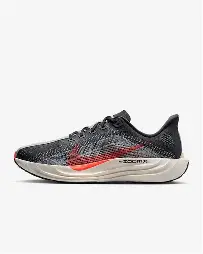
Design-wise, the Pegasus Premium favors a streamlined aesthetic that balances performance cues with lifestyle-friendly looks. Key material decisions observed in the shoe include an engineered mesh or knit upper, bonded overlays for structure, and a foam midsole compound engineered for a balance of responsiveness and comfort.
The upper materials tend to be breathable and conforming, supporting a snug but not restrictive fit. Bonded overlays and reinforced eyelets help when lacing up tightly without introducing pressure points. The heel counter is typically semi-structured to offer rearfoot stability without being rigid.
The outsole uses a durable rubber compound in high-wear zones and a lighter tread pattern tailored to road surfaces. The design intent is clear: prioritize smooth transitions, consistent traction on asphalt and wet pavement, and durability across higher-mileage training.
Fit and Sizing
Fit is one of the most consequential aspects for buyers. The Pegasus Premium tends to run true to standard running shoe sizing for many foot shapes, but as with any shoe, variations exist. Key notes on fit:
Discover deals on Electronics — updated daily.
See Deals →- Toe box: Moderately spacious — suitable for runners who need a little room for toe splay during long runs.
- Midfoot: Snug without pinching — works well for runners with neutral arches who prefer a secure lockdown.
- Heel: Secure, with modest padding to minimize heel slip on quick turnovers.
Runners with wide forefeet may prefer trying a half size up or selecting a wide-width variant if available. Those who use custom orthotics will appreciate the removable insole and slightly higher stack height that accommodates inserts without compromising fit.
Cushioning, Ride, and Responsiveness
The Pegasus Premium positions itself in the market as a comfortable daily trainer with an emphasis on delivering both cushioning and a responsive ride. The midsole foam is engineered to absorb impact during long runs while returning energy efficiently for tempo and faster sessions. The shoe typically strikes a balance between plushness and bounce: cushioning for mile-after-mile comfort without feeling sluggish underfoot.
Runners testing the shoe on mixed workouts report a smooth heel-to-toe transition facilitated by a well-contoured midsole geometry. The platform often supports a neutral gait, making this model suitable for runners who don't require heavy stability features. For interval work, the responsiveness is acceptable, though athletes seeking race-day speed might prefer a lighter, more aggressively tuned racer.
Traction and Outsole Performance
The outsole design provides consistent grip on dry and mildly wet pavement. The rubber is placed in high-abrasion areas such as the heel and forefoot to extend longevity. The tread pattern is shallow and road-oriented, which reduces unwanted noise and improves efficiency on smooth surfaces.
On unpredictable surfaces—loose gravel, muddy trails—the Pegasus Premium is less at home. It is optimized for roads, tracks, and treadmills rather than off-road conditions. Urban runners who encounter damp sidewalks and occasional cobblestones should find the traction predictable and confidence-inspiring.
Durability and Long-Term Considerations
Durability is a practical concern for daily trainers. The Pegasus Premium combines a resilient midsole compound with a durable outsole layout, so moderate to heavy trainers can expect a good mileage life if used primarily on road surfaces. The upper’s knit or mesh retains shape well, though aggressive toe drag or frequent trail use will accelerate wear.
Maintenance is straightforward: spot-clean as needed, allow to air dry, and rotate with at least one other pair for maximal lifespan. The replaceable insole and conservative wear patterns on the outsole contribute to longevity for typical training workloads.
Real-World Use Cases
The Pegasus Premium suits multiple types of runners and use cases:
- Daily Training: Reliable for easy runs, recovery miles, and medium-distance daily workloads.
- Long Runs: Cushioning and comfort make it a solid choice for extended sessions at conversational pace.
- Tempo and Moderate Speed Work: Responsive enough for tempo runs and progression workouts when runners prefer a stabilizing, cushioned platform.
- Treadmill Running: Comfortable underfoot and quiet, making it a good treadmill companion for long sessions.
- Active Lifestyle: A good crossover shoe for those who wear running shoes for commuting or casual standing workdays.
Runners focused on racing, ultramarathons, or technical trails should evaluate specialized alternatives instead of selecting the Pegasus Premium as a single-purpose solution.
Pros & Cons
- Pros:
- Balanced cushioning: Comfortable for daily mileage without feeling overly soft.
- Secure fit: Thoughtful upper construction delivers good lockdown for varied paces.
- Durable outsole: Rubber placement preserves mileage life on roads.
- Versatile: Performs well across easy runs, long runs, and tempo sessions.
- Removable insole: Allows orthotic use and customization.
- Cons:
- Not a racer: Heavier than specialized racing shoes; not ideal for race-day PB attempts.
- Limited off-road traction: Optimized for road surfaces, less suitable for trails.
- Potential fit variability: Runners with very wide feet may need to size up or find a wide model.
- No integrated electronics: For buyers looking for sensor-enabled footwear, this model focuses on traditional performance.
Comparison Table
| Feature | Pegasus Premium | Typical Neutral Trainer | Lightweight Racer |
|---|---|---|---|
| Primary Use | Daily training, long runs, tempo | Everyday mileage, recovery | Race day, speed sessions |
| Cushioning | Balanced — cushioning + responsiveness | Plush for comfort | Lower, firmer for propulsion |
| Weight | Moderate — focused on durability | Moderate to heavy | Lightweight — optimized for speed |
| Traction | Road-focused, reliable | Good on pavement | Minimal tread — not for wet/uneven terrain |
| Durability | High for road use | High | Lower — race-lifespan |
| Fit | Secure midfoot, moderate toe box | Roomier for comfort | Snug, performance-oriented |
Buying Guide: What to Consider Before Purchasing
Choosing the right running shoe is highly individual. The Pegasus Premium appeals as a versatile daily trainer, but buyers should weigh several factors before committing.
Looking for the best Electronics deals on Amazon?
Shop Amazon →1. Intended Use
Identify primary running goals. For daily mileage and long runs where comfort and durability are priorities, the Pegasus Premium is a strong candidate. For race-oriented runners seeking every marginal performance gain, a lighter racing shoe may be more appropriate.
2. Fit and Foot Shape
Measure foot length and width, and try the shoe on with the socks typically worn during runs. A well-fitting running shoe should allow a thumb’s width of space at the longest toe, secure the midfoot without pinching, and hold the heel in place without excessive slip. Consider trying half sizes or wide options if they are available.
3. Gait and Support Needs
The Pegasus Premium is generally neutral-support oriented. Runners who overpronate significantly may need shoes with added medial support or consider orthotic inserts. Those with neutral or mildly pronating gaits will find the shoe’s platform supportive and stable.
4. Mileage Expectations and Durability
Match expected weekly mileage to the shoe’s durability profile. Daily trainers designed for higher mileage typically have denser outsole rubber in wear zones and longer-lasting foams. Rotate shoes when logging high weekly mileage to extend lifespan.
5. Weight and Performance Trade-offs
Lighter shoes often sacrifice some cushioning and durability for speed. If long-run comfort matters more than shaving seconds off tempo runs, prioritize comfort and cushioning over minimal weight.
6. Try Before You Buy (When Possible)
Testing the shoe in a store or trying it on at home with a return window is valuable. If possible, run a short trial—treadmill or road—to evaluate comfort, ride, and hot spots before committing to long-distance use.
7. Value Considerations
Compare the Pegasus Premium against alternatives at similar price points. Consider warranty terms, expected mileage life, and the availability of replacement insoles or parts. A shoe that lasts longer per mile can offer better long-term value.
Conclusion
The Pegasus Premium Running Shoe presents as a thoughtful, well-balanced daily trainer that prioritizes comfort, durability, and a smooth ride. It is well-suited to runners seeking a single, reliable shoe for easy runs, long miles, and moderately paced workouts. The design and materials underscore usability for an urban or road-focused runner rather than an off-road specialist or dedicated racer. Buyers who value predictable fit, a secure upper, and a durable outsole will likely find the Pegasus Premium meets those practical demands. As with any shoe, fit and individual biomechanics matter most—trying the shoe in person or choosing a retailer with a generous return policy will help ensure the best match for specific running goals.