The Ultimate Setup Guide for Your Rabbit Air A3 Air Purifier
Introduction
The Rabbit Air A3 air purifier is positioned as a modern, compact solution for everyday indoor air quality concerns. For buyers who live in apartments, have pets, suffer from seasonal allergies, or are sensitive to smoke and cooking odors, choosing and setting up an air purifier can make a tangible difference in comfort and health. This guide provides a practical, step-by-step look at the Rabbit Air A3: what it does, how it performs in real-world conditions, how to set it up effectively, and what to consider before buying. The aim is to help readers make an informed decision and get the most from their device once it is in the home.
Product Review and Analysis
Design and Build
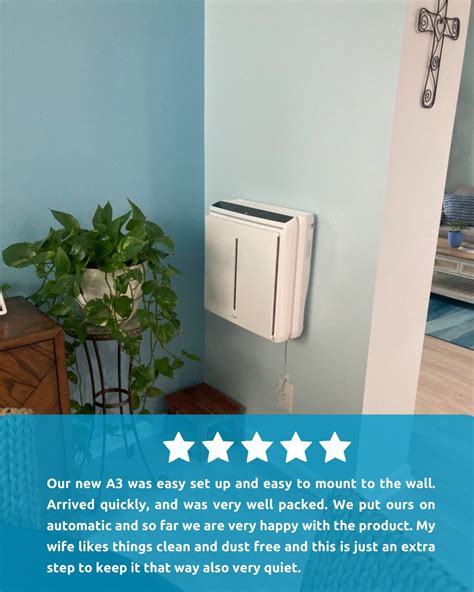
The Rabbit Air A3 favors a compact, vertical tower design that blends into living spaces without dominating them. The unit typically uses a matte plastic housing with vents designed for both intake and exhaust flow. The footprint is small enough to place on the floor near a wall or on a raised surface such as a console table, making it suitable for bedrooms, home offices, and smaller living rooms. Controls are usually accessible from the top or front panel, and many contemporary models in this line include a simple display and indicator lights for filter status and fan speed.
Filtration System
Core to the A3 is a multi-stage filtration system. Most users will find the following elements relevant:
- Pre-filter: Captures large particles such as dust, hair, and pet dander. A washable or vacuumable pre-filter reduces load on downstream filters and extends their life.
- True HEPA or HEPA-grade layer: Removes fine particulate matter and allergens that cause sneezing and respiratory irritation. This is the filter most buyers look for when addressing allergies or wildfire smoke.
- Activated carbon or odor filter: Adsorbs volatile organic compounds (VOCs), cooking odors, and smoke molecules, improving perceived air freshness.
- Optional specialty filters: Some Rabbit Air models support plug-in filter modules for specific concerns like germs, formaldehyde, or extra odor control. If the A3 supports these, they offer useful customization for particular environmental issues.
Filter maintenance and replacement cost are practical considerations. The pre-filter often needs cleaning every 1–3 months depending on usage; HEPA and carbon elements commonly last many months to a couple of years in typical home conditions.
Performance and Practical Use
Performance in the home depends on the interplay between room size, purifier placement, and the pollutants of concern. In real-world scenarios:
- For allergy sufferers, running the A3 continuously on a moderate fan speed during high pollen seasons reduces airborne allergen load and often improves sleep and daytime symptom severity.
- Pet owners typically notice a reduction in floating dander and an improvement in odors when the unit runs continuously in common living spaces. Pairing the purifier with regular vacuuming and grooming yields the best results.
- In kitchens or small living rooms affected by occasional smoke or strong odors, an elevated fan speed for short periods helps clear the air more quickly; the carbon stage plays an important role here.
- For indoor smokers or areas affected by wildfire smoke, filtration helps remove particulates, though complete mitigation may require sealing the room and minimizing source exposure.
Noise, Energy Use, and Daily Operation
Many buyers care about noise level and electricity draw. The Rabbit Air A3 typically offers multiple fan speeds with a quiet low-speed mode intended for bedrooms or nurseries. High speeds are effective for rapid cleanup but are noticeably louder. Energy consumption is generally modest compared with older or larger HVAC-based solutions, making overnight continuous operation feasible for many users. Users concerned about running costs should consult the device specifications for wattage, but in practice, modern tower purifiers are inexpensive to operate relative to other household appliances.
Controls, Connectivity, and Smart Features
Depending on configuration, the A3 may have intuitive manual controls, timers, and possibly app connectivity or voice assistant compatibility. Built-in air quality sensors and auto modes are helpful for hands-off operation: the purifier adjusts fan speed based on measured particle concentrations. For buyers who value convenience, features to consider include scheduling, smartphone notifications about filter life, and a reliable auto mode that responds accurately to changes in the room.
Real-World Use Cases
Understanding typical scenarios clarifies what the Rabbit Air A3 does best and where expectations should be moderated.
Apartment Living
In apartments with shared ventilation or older windows, occupants frequently notice dust and cooking odors. The A3 can reduce airborne particles and odors in primary living areas, making it a practical supplement to existing ventilation. For smaller units, the compact size of the A3 allows flexible placement without crowding limited floor space.
Find top-rated Electronics products at great prices.
Shop Amazon →Homes with Pets
Pet owners value the reduction in dander and the improvement in odor. While a purifier does not replace regular cleaning, it reduces the background level of pet-related particles and helps maintain fresher-smelling air between deep cleans.
Allergy and Asthma Management
For many with seasonal allergies or mild asthma, using an air purifier in the bedroom and keeping doors closed at night can improve sleep quality. The HEPA-stage filtration addresses airborne triggers and complements other environmental control strategies (e.g., humidity management and mattress encasements).
After Cooking or During Smoke Events
While short bursts of elevated fan speed clear odors and particles faster, users should note extreme pollution events (wildfire smoke) may overwhelm single-room purifiers. In those cases, minimizing outside air ingress and running the purifier continuously is recommended.
Pros & Cons
Pros
- Compact, unobtrusive design that fits small to medium rooms
- Multi-stage filtration addressing particulate matter and odors
- Quiet low-speed operation suitable for bedrooms
- Intuitive controls with potential for smart features and auto mode
- Low day-to-day energy use compared with larger HVAC-based filtration
Cons
- Effectiveness is room-size dependent; multiple units may be needed for whole-home coverage
- Replacement filters are a recurring cost and must be budgeted
- High fan speeds produce noticeable noise
- Built-in sensors can vary in accuracy; supplemental monitoring may be needed for critical situations
Comparison Table: Rabbit Air A3 vs. Common Alternatives
| Model | Best For | Filter System | Room Size | Noise | Price Tier |
|---|---|---|---|---|---|
| Rabbit Air A3 | Bedrooms, home office, small living rooms | Multi-stage (pre-filter, HEPA-grade, carbon; optional modules) | Small–medium rooms | Low (sleep mode) to moderate (high) | Mid |
| Coway AP-1512HH | All-round home use with proven track record | Pre-filter, HEPA, carbon, Eco mode | Small–medium rooms | Low to moderate | Mid |
| Blueair Classic series | High CADR for larger rooms | HEPA and proprietary carbon stages | Medium–large rooms | Moderate to high at top speeds | Upper-mid to high |
| Dyson Purifier (tower) | Design-forward, fan/air multiplier users | HEPA + activated carbon | Medium rooms | Moderate (fan amplifies noise) | High |
Buying Guide: What to Consider Before Purchasing
When evaluating the Rabbit Air A3 or any air purifier, buyers should weigh the following aspects carefully.
1. Room Size and Coverage
Check the manufacturer’s guidance on recommended room size and compare it with the square footage of the intended space. A purifier works best when it can circulate and filter the entire room volume multiple times per hour. For whole-home coverage, multiple units or a whole-house solution will be required.
2. Filter Types and Ongoing Costs
Understand what filters are included and which are replaceable or optional. Consider the frequency and cost of replacements, and whether the pre-filter is washable. Filter cost and availability are long-term considerations that can outweigh the initial purchase price.
3. Noise Sensitivity
If the unit will be used in a bedroom or nursery, prioritize low-noise performance and an effective sleep mode. Look for user reviews that mention nighttime use specifically.
4. Sensor Quality and Auto Mode
Auto modes are convenient but rely on the quality of onboard sensors. Read tests or reviews that evaluate how quickly and accurately a purifier responds to increases in particle levels.
Find top-rated Electronics products at great prices.
View Offers →5. Energy Consumption
Continuous operation is common, so choose a model with reasonable power use. Lower wattage and eco modes help reduce running costs.
6. Physical Size and Placement Options
Consider the unit’s footprint and how it integrates with the room’s layout. Avoid placing the purifier directly against walls or behind curtains where intake or exhaust could be obstructed.
7. Warranty and Support
Longer warranties and responsive customer service matter if technical issues arise. Check the manufacturer’s policy on parts and filter replacements.
Setup and Optimization: Step-by-Step
Getting the A3 running properly is straightforward, but some setup choices improve real-world effectiveness.
Unboxing and Initial Inspection
- Verify included components: main unit, filters (packed separately or installed), power cord, and manual.
- Inspect filters for shipping seals and remove any protective packaging before use.
Filter Installation
- Follow the manual to orient and seat the HEPA and carbon filters correctly; incorrect installation reduces performance.
- Ensure the pre-filter is clean; if washable, rinse and dry before first use if recommended.
Placement
- Place the purifier in the room where air quality matters most (bedroom for sleep, living room for day use).
- Keep at least several inches of clearance around intake and exhaust; avoid corners and behind large furniture.
- For open-plan spaces, position the unit centrally between pollutant sources and occupants whenever possible.
Initial Run and Break-in
- Run the purifier on a moderate speed for the first 24 hours to stabilize filters and acclimate sensors.
- Monitor how quickly perceived air quality improves and adjust placement if necessary.
Smart Features and Scheduling
- If the model supports app control or scheduling, set automated run times for overnight and peak allergy hours.
- Enable auto mode if the environment has fluctuating pollutant sources; for constant high pollution, continuous manual high speed may be warranted.
Maintenance Tips and Troubleshooting
Routine care keeps performance consistent and lowers long-term costs.
- Vacuum or wash the pre-filter regularly — every 1–3 months depending on dust load.
- Track HEPA and carbon replacement intervals and replace per manufacturer recommendation or sooner if odors return or airflow decreases.
- Keep intake grills free from dust buildup; a quick wipe monthly maintains airflow efficiency.
- If the unit fails to power on, check the power outlet, cord seating, and any child-lock features. Consult the manual for filter-status error codes.
- For inaccurate auto mode behavior, reset the unit if available and re-run the initial calibration procedure described in the manual.
Conclusion
The Rabbit Air A3 is a solid option for buyers seeking a compact, capable air purifier for bedrooms, home offices, and small living spaces. Its multi-stage filtration addresses common indoor pollutants — from dust and pet dander to odors — while offering quiet operation and user-oriented controls. As with any purifier, effectiveness depends on correct sizing, placement, and maintenance. Prospective buyers should weigh room coverage needs, filter lifecycle costs, and noise tolerance when deciding. With thoughtful setup and routine care, the A3 can be an effective element of a healthier, more comfortable indoor environment.